The Geopolitical Flashpoint: Anatomy of the 2026 US-Iran War
The geopolitical landscape faces its gravest threat. The 90-day military conflict involving the United States, Israel, and Iran has expanded drastically. What began as localized airstrikes has devolved into a profound economic and humanitarian disaster, pushing frontlines deep into Lebanon, triggering massive global fuel inflation, and igniting unprecedented political infighting in Washington and Tel Aviv.
The Spark: How the Conflict Began
The war erupted unexpectedly on February 28, 2026, amid sensitive backdoor nuclear negotiations between Washington and Tehran. A massive, unannounced joint US-Israeli air campaign struck core command infrastructure and underground nuclear development facilities, killing Iran’s Supreme Leader, Ali Khamenei.
Following his death, Iran’s Assembly of Experts selected his son, Ayatollah Mojtaba Khamenei, as the new Supreme Leader. Under his command, Tehran mobilized its regional proxies—the Axis of Resistance, including Hezbollah and the Houthis—and launched massive counter-offensives using advanced Shahed-136 drone swarms against regional installations.
Humanitarian Collapse: School Closures and Civilian Casualties
The human cost continues to grow daily, directly disrupting civilian infrastructure and creating a severe regional humanitarian emergency.
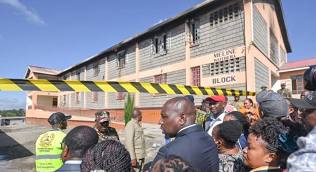
- Impact on Education: Northern Israel faces relentless rocket barrages and suicide drone swarms, forcing thousands of children out of schools for nearly three months. Concurrently, retaliatory campaigns in densely populated areas of Lebanon have caused tragic casualties among young schoolgirls, prompting the United Nations High Commissioner for Human Rights to label the situation “humanity’s darkest hour of the year.”
- Displacement and Casualties: Official regional tallies indicate that over 7,000 people have died since the start of the conflict, with Iran and Lebanon bearing the heaviest tolls. In Lebanon alone, intense military operations have displaced 1.2 million people, leaving families struggling without stable access to clean water, food, or emergency medical care.
Military Attrition: The Billion-Dollar Hardware Drain
Both sides are burning through equipment at an unsustainable pace, showcasing an asymmetric financial and logistical strain.
- Israel’s Air Defense Strain: Iran’s strategy of launching low-cost drone swarms deliberately targets Israel’s air defense grid. While the Iron Dome and Arrow-3 networks intercept a high percentage of threats, a single Tamir interceptor missile costs hundreds of thousands of dollars compared to the cheap drones they neutralize, severely straining defense reserves.
- Naval Blockades and Base Destruction: Iran implemented a severe naval blockade in the Persian Gulf using sub-surface mines and anti-ship cruise missiles across the Strait of Hormuz, damaging several commercial oil tankers. In response, US B-2 Spirit stealth bombers executed targeted strikes to neutralize underground launch silos and radar arrays.
The Leaked Trump-Netanyahu Phone Call
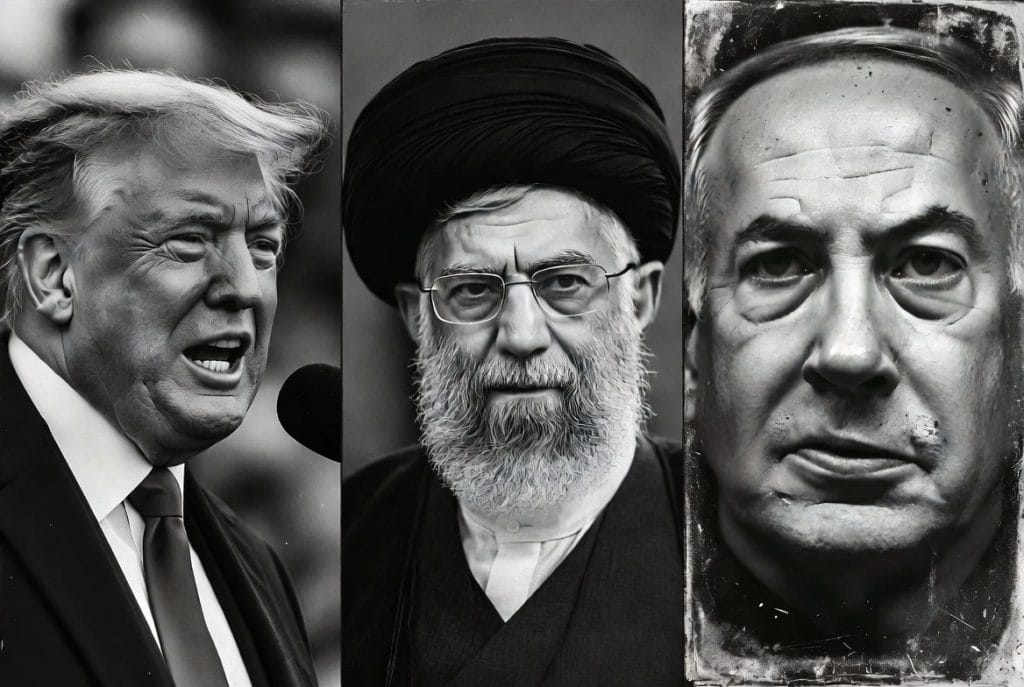
While public statements attempt to show a united front, intelligence leaks reveal severe internal friction. President Donald Trump has been trying to finalize a temporary ceasefire and a maritime safety agreement with Iran’s new leader using Qatar and Pakistan as mediators, while Iranian negotiators demanded a complete freeze on military action in Lebanon as a prerequisite.
Tensions peaked on June 1, 2026, when Israeli Prime Minister Benjamin Netanyahu ordered a renewed bombing campaign targeting Hezbollah assets in Beirut’s southern Dahiyeh district, bypassing Washington’s prior notice. According to a U.S. official’s account relayed to Axios, Trump called Netanyahu directly and stated:
“What the fuck are you doing? You’re fucking crazy. You’d be in prison if it weren’t for me. I’m saving your ass. Everybody hates you now. Everybody hates Israel because of this.”
Following the intense call, Netanyahu scaled back immediate operations, though his office contested specific private transcript leaks and maintained that Israel would continue to target imminent threats. Nevertheless, the diplomatic damage was already done, and Iran temporarily paused active diplomacy.
The Lebanon Front: Beaufort Castle and Scorched-Earth Policies
With diplomacy stalled, Israel expanded its ground offensive in Lebanon, marking the deepest military incursion into the country in 26 years.
In late May 2026, Israeli Ground Forces successfully captured the historic medieval Beaufort Castle on a strategic clifftop near Nabatiyeh, raising the Israeli flag over the high ground. Continuous drone surveillance and heavy strikes hit Beirut’s southern suburbs, drawing harsh condemnation from Lebanese Prime Minister Nawaf Salam, who accused Israel of using a scorched-earth policy to destroy civilian infrastructure. Concurrently, Hezbollah leader Naim Qassem rejected conditional U.S. truce outlines, denouncing the agreement as a “capitulation”.
The New Cold War: China and Russia Backing Iran
The conflict has evolved into a global proxy standoff involving major world powers, significantly complicating US diplomatic leverage:
- Russia’s Electronic Warfare: Moscow has secretly supplied Iran with advanced electronic warfare assets, including the Murmansk-BN theater-level jamming complex and Krasukha-4 jammers, which have disrupted satellite communications, GPS navigation, and Low-Earth Orbit (LEO) data links used by US and allied forces.
- China’s Economic Lifeline: Despite heavy Western sanctions, Beijing has continued purchasing discounted Iranian crude oil throughout the crisis, providing a steady cash flow preventing Iran’s domestic economy from collapsing under wartime pressure.
Global Economic Shockwaves
- Oil Market Surges: The closure of the Strait of Hormuz blocked critical supply routes, cutting off nearly 20% of global petroleum transit. Brent Crude oil prices surged past $100 a barrel, with Tehran threatening further spikes toward $200 if hostilities continued, driving fuel costs in Europe and Asia to historic highs.
- Cyber Warfare: Advanced Iranian state-backed hacking cells, including the IRGC-linked CyberAv3ngers collective, launched disruptive malware campaigns against municipal power grids and water infrastructure facilities, causing temporary blackouts in select metropolitan areas.
Washington’s Reaction: Congress Reins in Trump’s War Powers
Inside the United States, political opposition intensified as formal legislative action altered the administration’s military capabilities:
The Legal Limitation: Enforcing the 1973 War Powers Act, the concurrent resolution declared that hostilities had exceeded the 90-day threshold without explicit congressional approval, restricting the President from ordering new unilateral strikes or expanding military deployments without formal authorization from Congress.onal US truce outlines. He called them a “roadmap for capitulation.”
The House Vote: On June 3, 2026, the U.S. House of Representatives voted 215 to 208 to pass a War Powers Resolution introduced by Representative Gregory Meeks.
Bi-Partisan Defection: Four Republicans broke from party lines—Representatives Thomas Massie, Tom Barrett, Warren Davidson, and Brian Fitzpatrick—voting alongside Democrats to pass the measure.