Public Concern Grows Over Police Response in High-Profile Crime Cases
Recent serious crimes have sparked a big discussion. People are worried about how police balance saving lives with other duties.
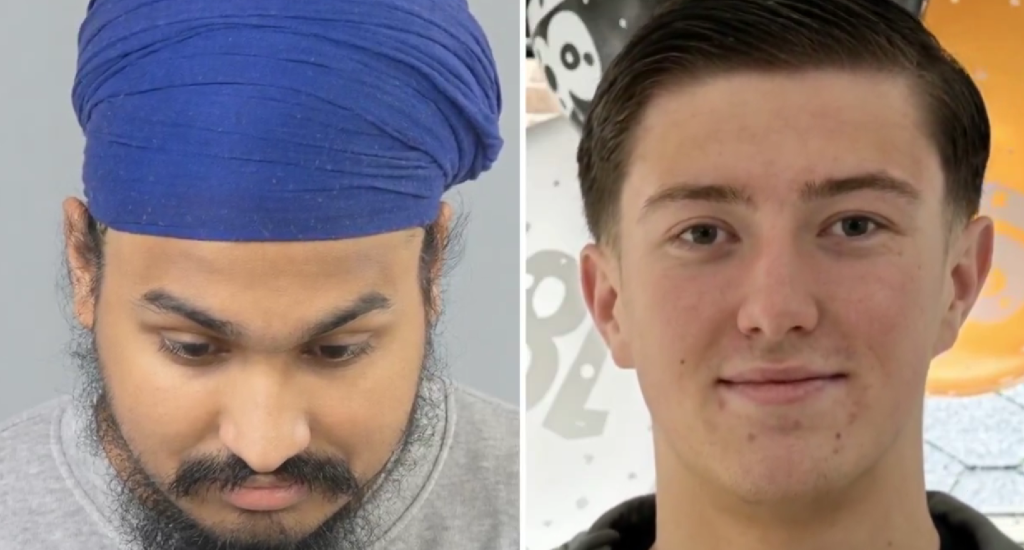
One notable case is the murder of 18-year-old Henry Nowak in Southampton, England.
The Incident: On 3 December 2025, Vickrum Singh Digwa, 23, stabbed Henry multiple times.
Court records reveal that Nowak repeatedly told police officers he had been stabbed. He also said he was struggling to breathe. Officers handcuffed him at first. This happened after Digwa said he was a victim of a racist attack. Nowak died at the scene. Digwa was later found guilty of murder. The way the scene was managed raised questions about police training and choices when facing different accounts.
Some say fear of bias may have affected the initial response. Others point out the tough spot officers are in during fast incidents with little info.
Calls for Clearer Protocols
Elon Musk’s involvement in the case drew intense global attention — and no shortage of controversy. The X owner publicly criticized the responding officers and offered to fund both a wrongful death lawsuit and a private prosecution against them. But his involvement went further: Musk’s platform amplified posts that mistakenly identified and doxxed an innocent former female police officer online, wrongly naming her as one of the officers involved—sparking a wave of severe online harassment and forcing her into hiding, even though she had left the force long before the incident. He also leaned into broader narratives, blaming systemic policies for the failure.
The backlash from UK leadership was swift and sharp. UK Deputy Prime Minister David Lammy publicly urged Musk to “stay out” of what he called a complex and painful situation, warning that the tragedy should not be exploited. Prime Minister Keir Starmer similarly accused Musk of trying to “whip up division” in the UK. Whatever the intent, Musk’s digital amplification undeniably cranked up public pressure on Hampshire Police—while simultaneously entangling a local tragedy into global culture wars and political friction over online misinformation.
Many experts and officials emphasize that the priority in any emergency should be:
- Ensure scene safety.
- Provide immediate aid to those with life-threatening injuries.
- Then focus on suspect identification and evidence gathering.
Court Outcome and Sentencing
In June 2026, Judge William Mousley KC sentenced Vickrum Singh Digwa to life in prison at Southampton Crown Court.
He must serve at least 21 years before being eligible for parole.
In his sentencing remarks, the judge called Henry Nowak “a much-loved, kind, hard-working, and ambitious young man” with a bright future. He told Digwa he had “brought misery and a lifetime of loss” to Henry’s family. He also said he brought “shame upon your family, your community, and your religion.” The judge highlighted several aggravating factors. These included the use of a large knife, lies told to police while Henry lay dying, and the impact on the community. Kiran Kaur, Digwa’s mother, got three years in prison for helping hide the murder weapon. Some legal experts think the minimum term is too lenient. The case is now with the Court of Appeal for review.
Moving Forward The Nowak case shows we need clearer guidelines. Preserving human life must be the top priority at every crime scene.
Experts say it’s crucial to provide emergency care quickly. Delays can lead to tragic outcomes, so fairness and community trust must also be upheld. For complete details on the investigation, trial, and sentencing, see the official court documents and BBC News coverage of the Henry Nowak case.
You can watch the BBC News coverage of the Henry Nowak investigation to understand more about the political and public reactions surrounding this case.