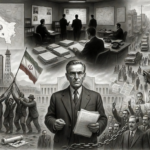
If one delves into the history of the Shia-Sunni divide, the bloodshed of the 1980s involving Iran and Iraq—specifically the massacres perpetrated by Iraqi dictator Saddam Hussein—can never be forgotten. Yet, the world was left stunned and compelled to reflect on how much that old enmity had diminished when, in July 2026, Khamenei’s funeral procession passed through the holy Iraqi cities of Najaf and Karbala; there, his remains were personally received by the Iraqi Prime Minister amidst throngs of mourners reportedly numbering in the millions. This was not a sudden shift; it was the public manifestation of a rapport that had been building since 2003—though it had rarely been displayed so openly or dramatically.
Beyond the Sectarian Divide
To understand why they are coming together, we must first examine the Shia-Sunni identity crisis. For centuries, this divide was fueled by debates over leadership, reinforced by family traditions, and solidified through religious upbringing. In Iraq, the Sunni-Shia dynamic has been a source of constant friction, especially after the 2003 regime change when power structures shifted away from the Sunni minority that dominated under Saddam Hussein.
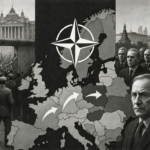
However, in 2026, we see a different pattern emerging. When a nation faces existential threats—whether through regional conflict or economic instability—the “sectarian identity” that was instilled since childhood is often pushed to the background in favor of a “survival identity.” Today, the Iran-Iraq alignment suggests something important: nations still divided by 1,400-year-old grievances risk becoming easy targets for external powers looking to exploit those internal rifts.
The Pragmatism of Shared Vulnerability
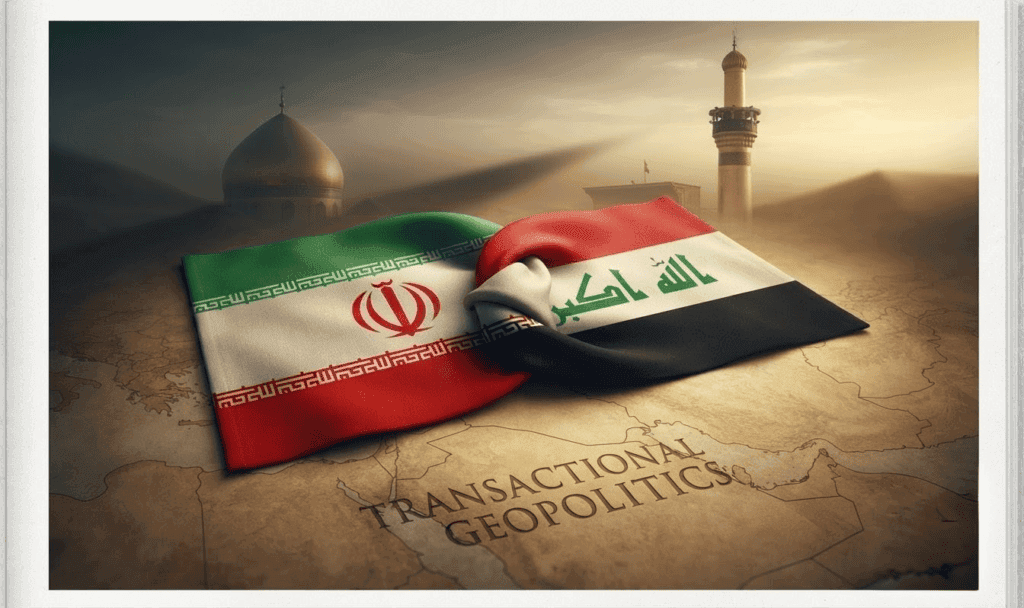
in my view, what we are witnessing is the triumph of transactional geopolitics over sectarian dogma. Do you think this rapprochement is about suddenly resolving centuries-old religious differences — or is it about building an economic interdependence that benefits both countries? Only time will tell. Iraq, despite having a complex demographic mix, has shifted toward a policy of strategic hedging—maintaining ties with Iran to balance against regional instability while trying to preserve its own sovereignty.
For Iran, an aligned Iraq serves as a crucial buffer zone, ensuring that the frontline of any regional conflict stays outside its own borders. This shift is also visible in the economy; cross-border energy deals and infrastructure projects are creating a web of dependencies that make the cost of conflict far higher than the benefits of historical vengeance.
The Psychology of Modern Alliances
Of course, there’s a lesson to be learned here. Religion can only mobilise people to a certain degree; patriotism (interest in national survival) is far stronger. The Iran-Iraq geopolitical marriage of convenience behind Supreme Leader Khamenei proves the old “Sunni- Shia” conflict is losing its appetite for war and becoming a chip to balance out power in the region.
It’s a dangerous balancing act, however. Iraq is still a house of cards. Lean too much into Tehran, and you anger the Sunnis within your borders and your Kurdish regions. Can the elite politicians in Baghdad moderate this newfound equation before sectarian bloodletting resumes? Only time will tell, but if I had to predict the Middle East in 2026, I’d say we’re asking the wrong questions. Instead of “who is Sunni and who is Shia?” we should be asking “who can survive?” Geography is destiny once again.
The “Islamabad Memorandum of Understanding” (MoU) is being sold as a historic path to peace. However, a deep dive into its 14 clauses reveals a much darker reality. Read the Full Analysis : https://iritvik.com/islamabad-mou-failure-analysis/
Read Further:
- Council on Foreign Relations (CFR) – Access comprehensive reports on global security trends, conflict tracking, and foreign policy developments.
- Brookings Institution – Read evidence-based research on European defense cooperation, economic sanctions, and global trade dynamics.