For more than seven decades, NATO has been one of the world’s most influential military alliances. But in 2026, the organisation faces questions that would have seemed unthinkable just a few years ago. As leaders gather in Ankara, debates over defence spending, strategic priorities, and Europe’s role in global security are raising an important question: Can NATO adapt to a changing world, or is it entering a period of long-term transformation?
The Erosion of Transatlantic Trust
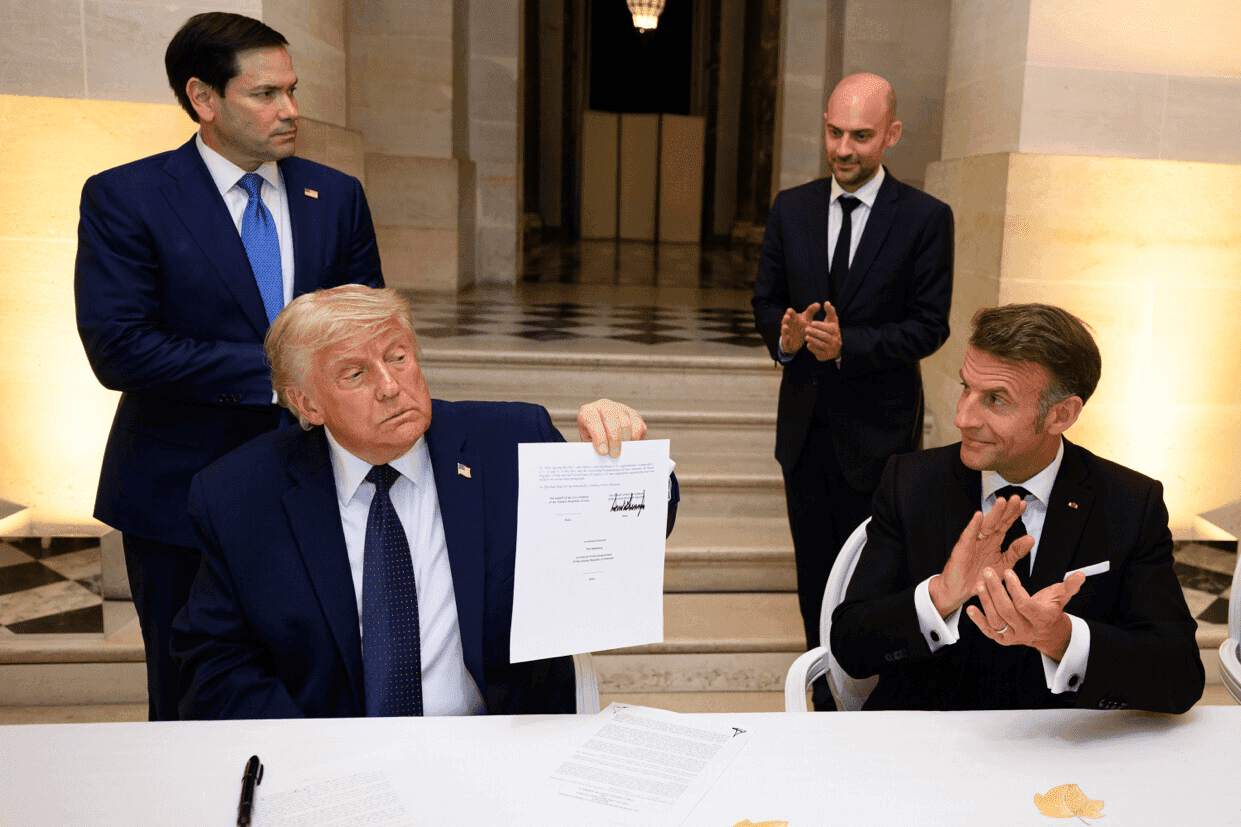
One of the biggest questions surrounding NATO’s future is whether its long-standing model of collective defence is beginning to weaken. For decades, the United States provided much of the alliance’s military protection, while European members offered strategic territory and political support. However, disagreements among some European allies over U.S. military priorities have raised new questions about the future of transatlantic cooperation.
Some analysts view these disagreements as a sign that European governments are becoming more willing to prioritise their own regional interests.
Burden-Shifting: The New Reality
The future of NATO in 2026 is also increasingly defined by burden-sharing rather than expansion. Under the current U.S. “America First” approach, Washington is pushing its European allies to increase defence spending, turning what was once a recommendation into a much firmer expectation. Some experts argue that NATO is evolving from an alliance built primarily on shared values into one driven more by practical commitments, where security guarantees are increasingly tied to each member’s military contributions.
Turkiye: The Geopolitical Gatekeeper
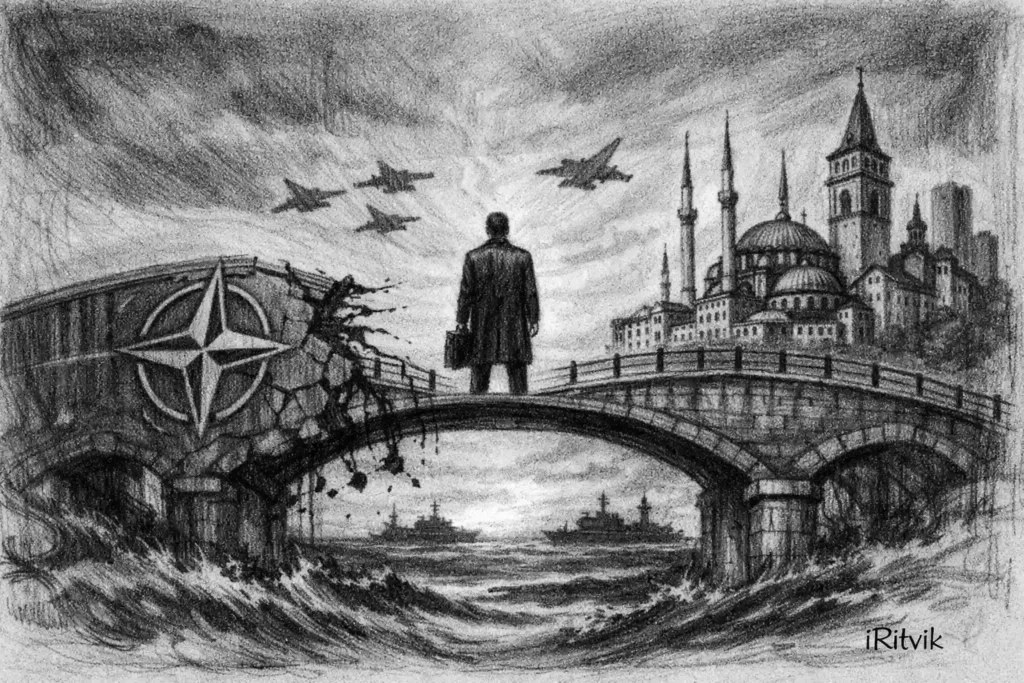
To understand where NATO is headed in 2026, it’s important to look at Turkey’s changing role within the alliance. Positioned between Europe and Russia, Turkey has long balanced its relationships with both sides to protect its own strategic interests. Today, Ankara is strengthening its position as the key gateway to the Black Sea, giving it significant influence over regional security. As a result, Turkey’s geographic position means that both NATO members and Russia consider Ankara an important factor in Black Sea security discussions.
Will Europe Achieve Strategic Autonomy?
As the United States shifts more of its military and strategic focus toward the Indo-Pacific, Europe is under growing pressure to take greater responsibility for its own security. The European Union’s efforts to expand domestic ammunition production reflect a broader push for a more self-reliant defence strategy, often referred to as “strategic autonomy.” If NATO cannot adapt to these changing priorities and balance the interests of its members, some analysts believe the alliance could gradually be replaced—or at least complemented—by a new regional security framework across Eurasia.
Conclusion
The future of NATO in 2026 remains far from certain. The alliance now finds itself at a crossroads, balancing its long-standing role in global security against a rapidly changing geopolitical landscape. Whether NATO can adapt to these new realities or face a gradual decline will largely depend on the decisions made at the Ankara Summit and, more importantly, on whether its member states are willing to reshape their commitments for the years ahead.
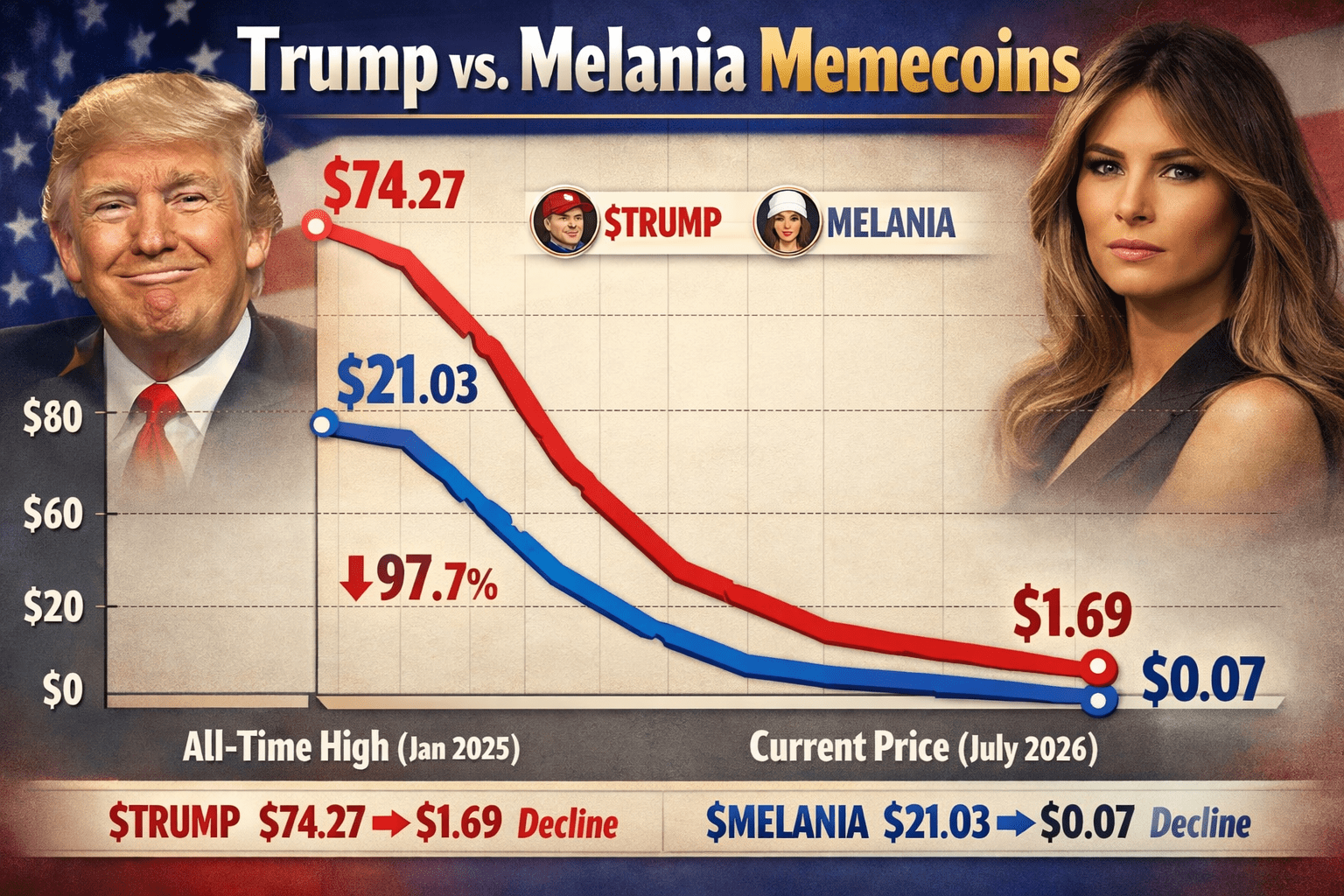
Related Article: Trump and the Memecoin Controversy: Examining the Political and Financial Debate. Explore our analysis of the ongoing debate around cryptocurrency ventures, political influence, and market speculation. Read the full analysis → https://iritvik.com/trump-memecoin-pump-and-dump-analysis/
Key Terms Explained
Strategic Autonomy
This refers to Europe’s ability to make its own security and defence decisions without depending heavily on military support from countries outside the region, particularly the United States.
Burden-Sharing
Within NATO, burden-sharing means that all member countries contribute fairly to the alliance by increasing defence spending, providing military resources, or supporting joint operations.
Strategic Hedging
Some countries maintain strong relationships with multiple global powers instead of relying on just one. This approach gives them greater flexibility during periods of geopolitical tension.
Chokepoint
A chokepoint is a narrow but strategically important waterway or route. The Bosphorus Strait, controlled by Turkey, is one example because it connects the Black Sea to the Mediterranean and plays a major role in trade and military movement.
Read Further:
- Atlantic Council – Explore in-depth analysis on NATO internal policy, summit outcomes, and military inter-operability.
- Council on Foreign Relations (CFR) – Access comprehensive reports on global security trends, conflict tracking, and foreign policy developments.
- Brookings Institution – Read evidence-based research on European defense cooperation, economic sanctions, and global trade dynamics.
Frequently Asked Questions
Why is Turkey important to NATO?
Turkey controls access to the Black Sea through the Bosphorus and Dardanelles straits, making it strategically important for both NATO and regional security.
What does strategic autonomy mean?
It refers to Europe’s effort to strengthen its own defence capabilities so it can respond to security challenges with less reliance on external partners.