
Every few weeks, the news cycle shifts, but the grim ground reality across urban India remains strikingly uniform: thick plumes of black smoke, widespread panic, and the devastating loss of innocent lives. Recent tragedies have forced a painful yet urgent conversation about India fire safety standards and the systemic failures that allow these disasters to repeat themselves.
The scale of the crisis became starkly evident within weeks during two major incidents:
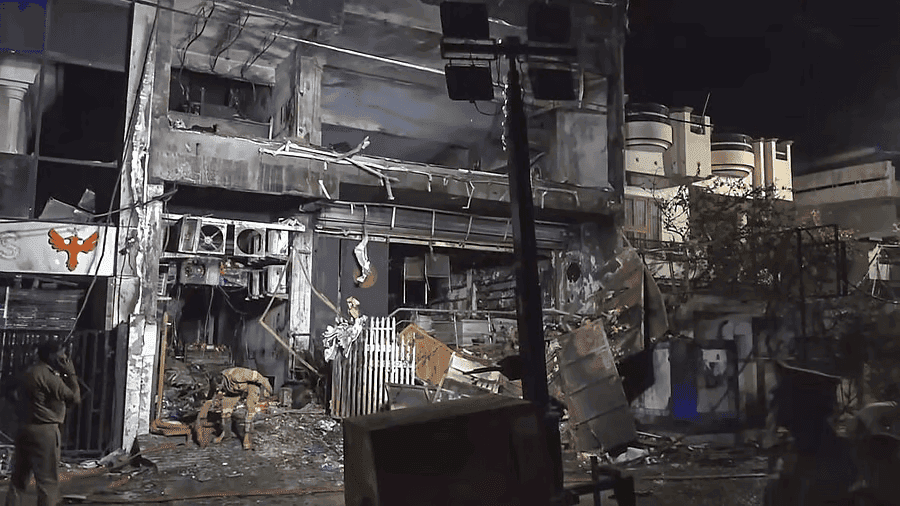
- Delhi (June 3, 2026): A fast-spreading blaze tore through the Flourish Stay B&B in South Delhi’s Malviya Nagar, killing 21 people—predominantly foreign nationals visiting for medical treatment. Investigators discovered the building was licensed for a mere 6 rooms under a local bed-and-breakfast scheme, yet was illicitly operating 25 rooms, including subterranean spaces sealed behind metal shutters.
- Lucknow (June 22, 2026): A devastating fire swept through a multi-storey commercial building in Aliganj housing an animation training institute and study center, claiming 15 lives, mostly young students. With primary pathways choked by smoke and a single restricted exit, rescuers had to break through windows and drill through exterior rear walls in desperate search of survivors.
These events are rarely isolated mishaps. Instead, they represent predictable outcomes of a regulatory environment where human safety is frequently compromised for commercial turnover.
Why the Regulatory System Fails
- Unchecked Conversions of Residential Properties: Real estate originally approved for residential or low-density use is routinely repurposed into high-density commercial hubs—such as coaching academies, budget lodges, and coaching studios—without structural retrofitting or reinforcement of safety infrastructure.
- The Absence of Basic Compliance: Many such establishments operate entirely without a mandatory Fire No Objection Certificate (NOC). They often feature single entry-exit stairwells, blocked ventilation routes, and highly flammable materials stored haphazardly near primary escape lines.
- Institutional Blind Spots and Lax Oversight: While municipal codes exist on paper, enforcement is frequently reactive. Critics and oversight bodies point out that unauthorized modifications are often overlooked due to poor inter-departmental coordination, under-resourced municipal inspectorates, or localized administrative corruption until a major catastrophe triggers emergency crackdowns and temporary facility sealings.
Practical Steps for Public Safety
While long-term structural reform requires strict government enforcement and penalization of violations, individuals can adopt proactive safety measures:
- Verify Safety Clearances First: Before enrolling in coaching institutes or booking budget accommodations, check if visible fire safety equipment (extinguishers, operational alarms, and clear emergency exit signage) is present.
- Evaluate Evacuation Routes: Avoid enclosed commercial spaces, classrooms, or lodging floors that rely on a single narrow staircase or lack windows and alternative escape pathways.
- Escalate Violations: Report overcrowded buildings, locked emergency exits, or suspected illegal structural conversions directly to local municipal fire authorities before an emergency occurs.
Disclaimer: This article reviews recent public safety incidents and structural concerns regarding urban fire compliance. Investigative details and administrative allegations are subject to ongoing verification by official legal and municipal authorities.










[…] You May Read This- Stop The Fire: Why India Must Act Now […]