Tesla’s Full Self-Driving (FSD) is constantly hyped as a global technological marvel, but let’s face the reality gap when it comes to bringing this tech to countries like India and Thailand. It’s one thing for an autonomous system to glide through highly structured Western suburbs, but tossing it into the beautifully chaotic nature of South Asian roads? That’s a completely different beast—a massive “systemic hurdle” that current AI algorithms simply aren’t built to bridge yet.
The Tech Race: Tesla vs. LiDAR Competitors
Right now, the autonomous vehicle industry is split down the middle on how to tackle this. Tesla is famously betting everything on a “Vision-only” approach, using cameras to mimic the human eye. Sure, it keeps manufacturing costs down, but it leaves the system incredibly vulnerable to blinding downpours during harsh monsoon seasons or poorly lit city streets.
On the flip side, competitors like Waymo and Xiaomi are doubling down on LiDAR—laser-based sensors that map the world in 3D. Yes, LiDAR hardware is brutally expensive, but it acts as a crucial safety net, picking up obstacles when camera lenses get blurred by rain or tricked by glaring lights.
The South Asian Infrastructure Barrier
Here’s the catch: self-driving AI absolutely thrives on predictability. But if you’ve ever driven in Bangkok or Mumbai, you know “predictable” is the last word you’d use. The severe lack of standardized lane markings, coupled with completely erratic traffic patterns—think stray livestock casually crossing highways or a sudden, aggressive maneuver from a tuk-tuk—leaves current AI systems entirely guessing. Without clean, consistent visual data to crunch, the AI simply cannot forecast movements safely. Full automation here isn’t just a technical challenge; it’s an infrastructure nightmare.
The Reality of “Override” Incidents
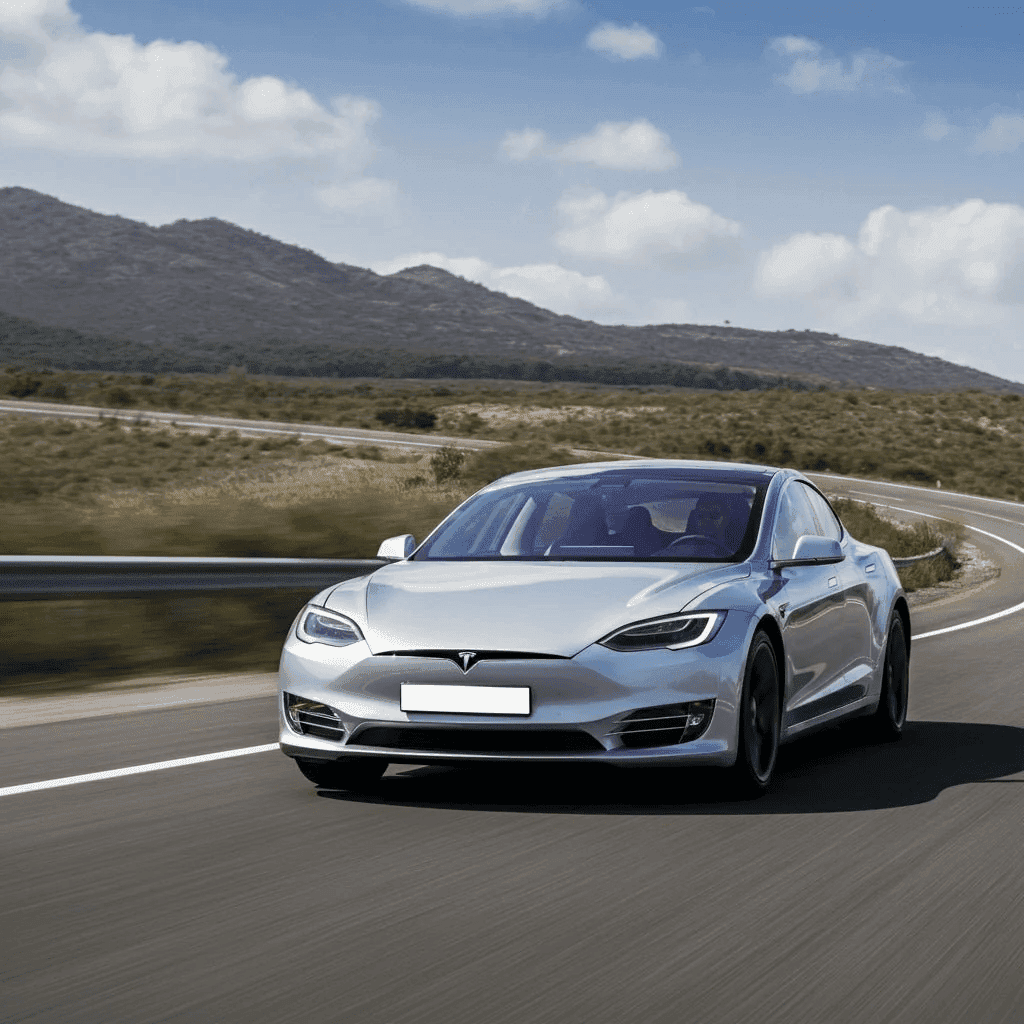
And let’s not pretend the safety debate is just academic. Look at the tragic, real-world fallout: in a recent fatal crash in Texas, a Tesla ploughed straight through a home, killing a 76-year-old woman. The driver’s family claims FSD was engaged, but Tesla’s AI software VP, Ashok Elluswamy, alongside Elon Musk, hit back, stating the driver manually overrode the system by slamming the accelerator to 100%.
This highlights a terrifying “User-vs-AI” tug-of-war. In high-stress, complex environments, if a driver panics and overrides the tech, the AI’s safety guardrails are instantly nullified. Translate that to the hyper-dense traffic of India or Thailand, and these manual override incidents become a ticking time bomb where a split-second human error guarantees a total loss of control.
The Legal and Liability Gap
Beyond the sensors and code, we also have to talk about the massive legal black hole. If an AI misinterprets a chaotic street corner and causes a multi-car pileup, who takes the blame? The driver? Tesla? The software engineers?
In South Asia, regulatory frameworks for AI liability are practically in their infancy. This legal gray area honestly scares me more than the tech hurdles. Without ironclad laws defining exactly who is accountable, everyday drivers are going to stay hesitant, and local authorities will rightly keep the brakes on widespread adoption.
The Road Ahead: Navigating the Chaos
At the end of the day, bringing FSD to India and Thailand requires a lot more than just a slick software update. Real success is going to take a massive overhaul of local infrastructure to make it AI-friendly, alongside rock-solid legal frameworks for machine liability. Until we bridge these massive reality gaps, Tesla’s FSD will remain what it currently is—a luxury, high-tech driver-assistance feature rather than a practical, fully autonomous solution for our roads.