
In recent times, the relationship between India and the United States has taken a worrying turn. President Donald Trump’s second term (Trump 2.0) has emerged as a period where the US is sidelining diplomatic etiquette and international laws to implement its “America First” policy.
The Charade of ‘Lovely’ Diplomacy vs. Bitter Economic Reality
During the G-7 summit, the labels used by President Trump—referring to the relationship as lovely and using terms like ‘angel’ and ‘killer’—might seem cordial on the surface, but they are merely political masks. Ground reality is completely the opposite.
The burden of tariffs on India has been imposed for a long time. The process, which began in April 2025, involved punitive tariffs (sometimes reaching 25% to 50% over Russian oil purchases) that have already broken the back of Indian exporters and industries. Even after the so-called “trade deal” in February 2026, an 18% tariff remains on Indian goods, and now the sword of new ‘Section 301‘ tariffs hangs overhead. Do you think this is just a trade policy? From my perspective, it’s a deliberate strategy to control the Indian economy.
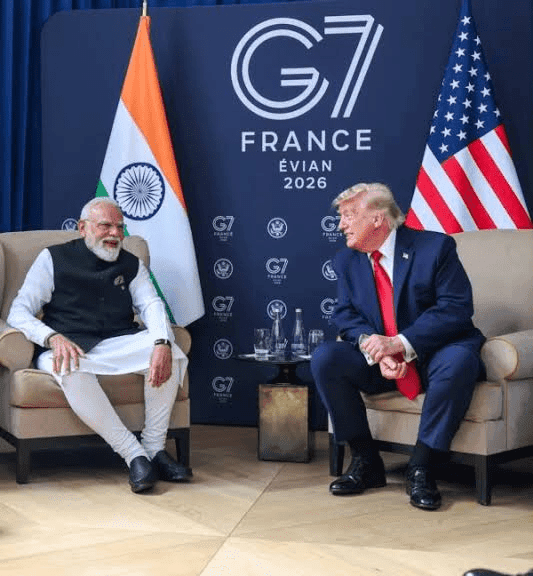
The Journey from Respect to Insult
The Trump administration has completely disregarded diplomatic decorum:
- Insulting remarks: We are completely at a loss to understand the US President’s motive for re-sharing a radio host’s statement calling India a “Hellhole” without comment, while India’s Ministry of External Affairs also objected, calling it inappropriate.
- H-1B Visa Insult: H-1B enforcement undermined: By launching large-scale fraud investigations and making exaggerated claims—some based on decades-old, unverified sources—that the majority of H-1B applications from India are fraudulent, it is clear that the administration in the US has eroded trust in Indians, while actual fraud cases are very rare. This has created a climate of fear among the long-standing Indian community regarding H-1B enforcement.
- Humanitarian Insensitivity: Sending Indian citizens for deportation with their hands and feet bound on military aircraft under the guise of “illegal migration” is completely contrary to the diplomatic behaviour of a friendly nation.
Military Bullying and the Politics of Intimidation
The Trump administration’s approach to India’s security has shifted from partnership to overt coercion:
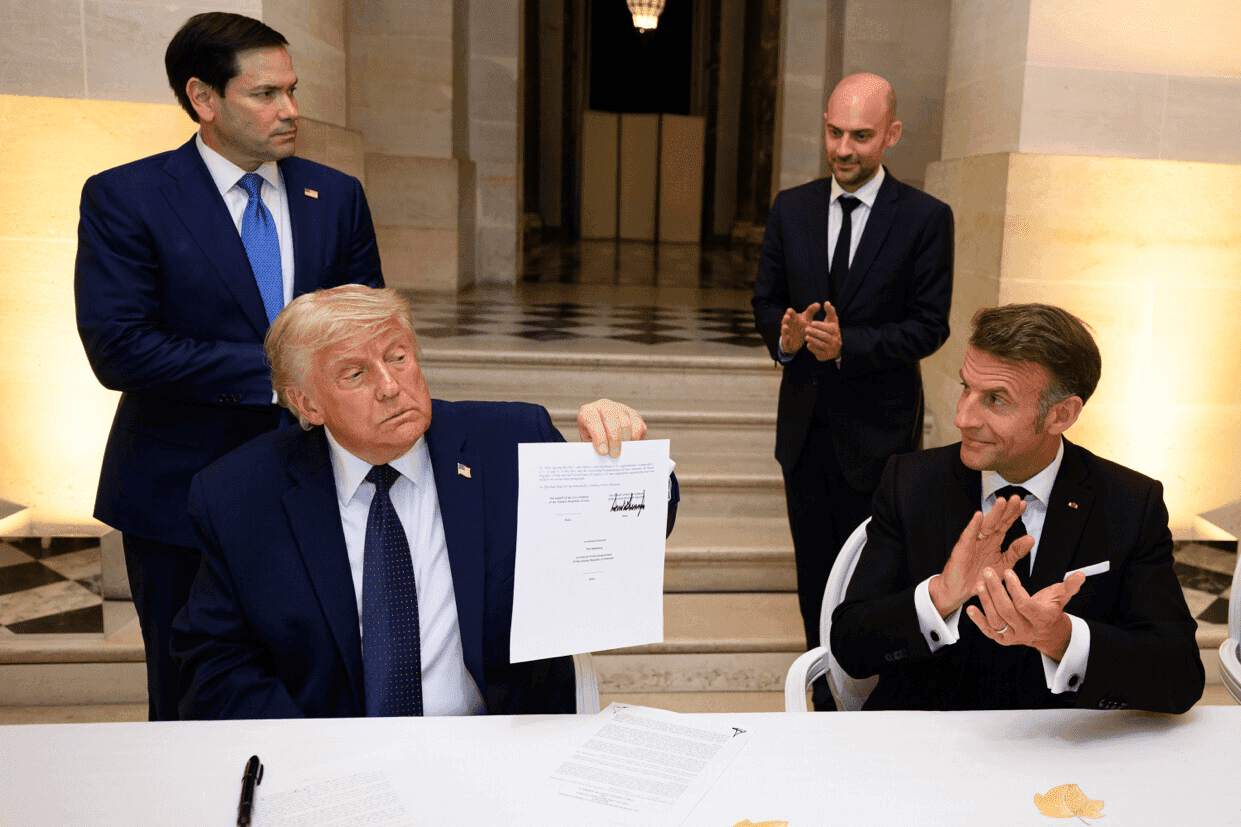
- The Threat of ‘Blockade’ Violations: U.S. Secretary of State Marco Rubio has issued an alarming ultimatum to New Delhi, warning that any Indian maritime action perceived by the U.S. as a “blockade” will be treated as a direct violation of American interests. This is not merely a diplomatic disagreement; it is a blatant interference in the sovereign internal affairs of an independent nation and an explicit military threat intended to restrain India’s naval autonomy.
- Tragic Loss of Life and American Defiance: On June 9, 2026, a U.S. missile strike targeted the MT Settebello tanker in the Gulf of Oman, tragically resulting in the deaths of three Indian sailors—Aditya Sharma, Shivanand Chaurasia, and Patnala Suresh. In a shocking display of diplomatic callousness, the U.S. administration has flatly refused to issue a formal apology or even offer condolences. Instead, Secretary Marco Rubio doubled down on the aggression, stating unequivocally that any breach of American-imposed ‘blockade’ zones ‘will not be tolerated,’ regardless of the circumstances. Despite New Delhi’s strong protests, the U.S. has refused to adjust its blockade policy, effectively prioritising its hard-power enforcement over the lives of innocent Indian citizens. This dismissive stance regarding the loss of Indian lives serves as a grim testament to the Trump administration’s “bloody” diplomacy.
- The ‘Pakistan Card’ and Credit Theft: Beyond direct threats, the U.S. has reverted to the tired strategy of playing the ‘Pakistan Card’ to keep India on edge. Furthermore, the administration’s desperate attempts to claim credit for India’s sovereign military decisions, including ‘Operation Sindhoor’ and recent ceasefire agreements, reveal a deep-seated frustration and an ongoing effort to belittle India’s independent strategic accomplishments.
Does India Still Look Towards the US?
Trump’s rhetoric that as long as Modi is there, everything is fine reflects a dangerous arrogance. The thought that India would look to the US during any crisis is a colonial mindset. Is India not powerful enough today to defend itself?
India is not the country it was decades ago. Our military, nuclear capability, and self-reliant defense policy are fully capable of giving a befitting reply to any aggressive power. We do not need any foreign “security umbrella” or the mercy of America. India is fully capable of defending its borders and making decisions regarding its national interests on its own.
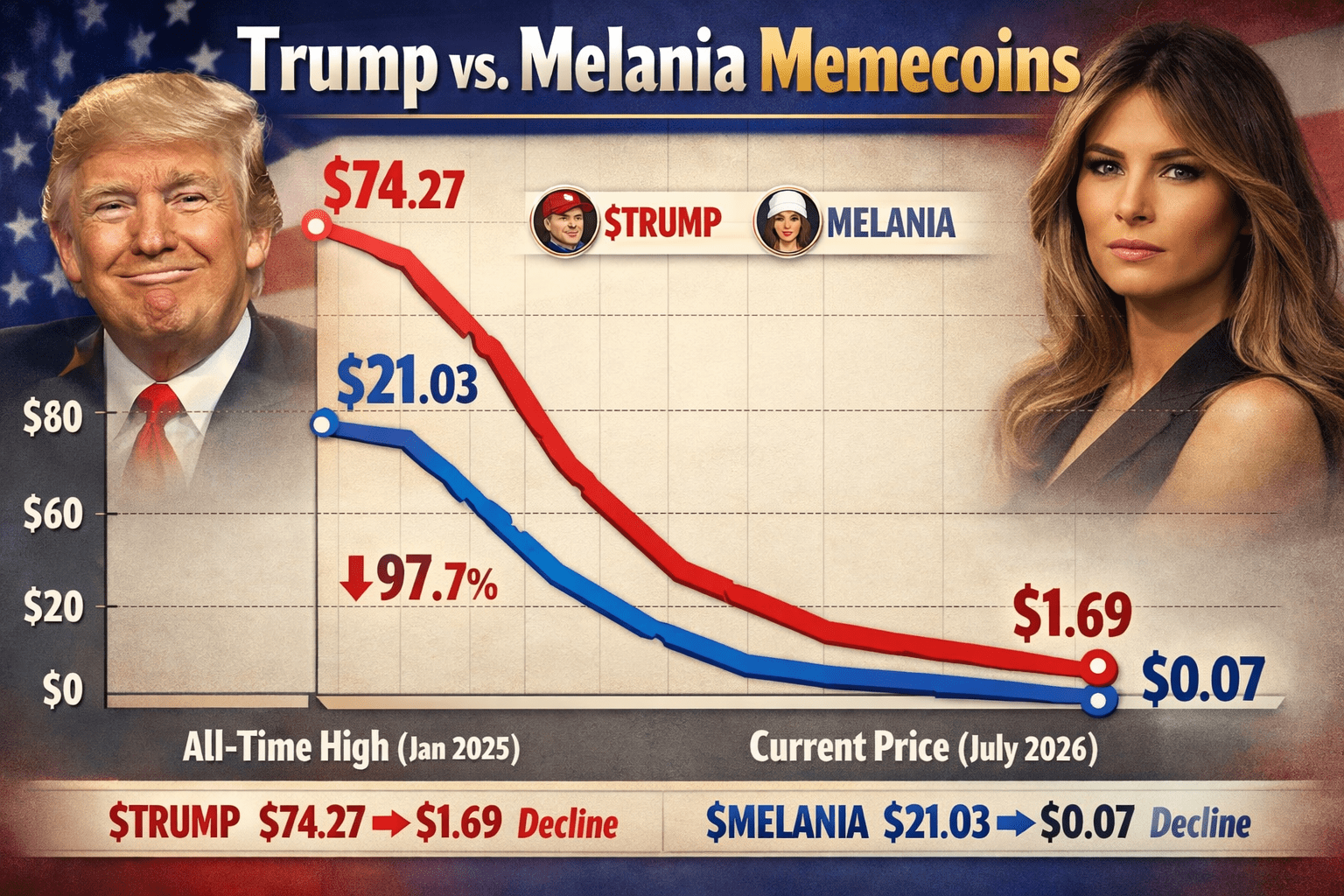
Related Article: Beyond trade tariffs and geopolitics, the US administration is facing intense scrutiny over allegations of a systemic “pump and dump” scheme involving cryptocurrency tokens linked to the President’s name. Read the full analysis here: Is Trump Using Political Influence to Pump and Dump Memecoins?
My view is that the era of Trump 2.0 is not only full of challenges but also humiliation. If the US resorts to the language of “tariff swords” and “threats,” India must enforce its “strategic autonomy” even more vigorously. India is no longer dependent on anyone. If the US thinks it can suppress India with tariffs and threats, it is making a grave mistake. Partnerships should be based on respect, not threats and a pretence of dependence.







[…] The Growing India-US Relationship Crisis in 2026-During the G-7 summit, the labels used by President Trump—referring to the relationship as ‘lovely’ and using terms like ‘angel’ and ‘killer’—might seem cordial on the surface, but they are merely political masks. Ground reality is completely the opposite. The burden of tariffs on India has been imposed for a long time. The process, which began in April 2025, involved punitive tariffs (sometimes reaching 25% to 50% over Russian oil purchases) that have already broken the back of Indian exporters and industries. Even after the so-called “trade deal” in February 2026, an 18% tariff remains on Indian goods, and now the sword of new ‘Section 301’ tariffs hangs overhead. This is not just trade policy; it is a calculated strategy to control the Indian economy. Read The Full Analysis here : https://iritvik.com/india-us-relationship-crisis/ […]