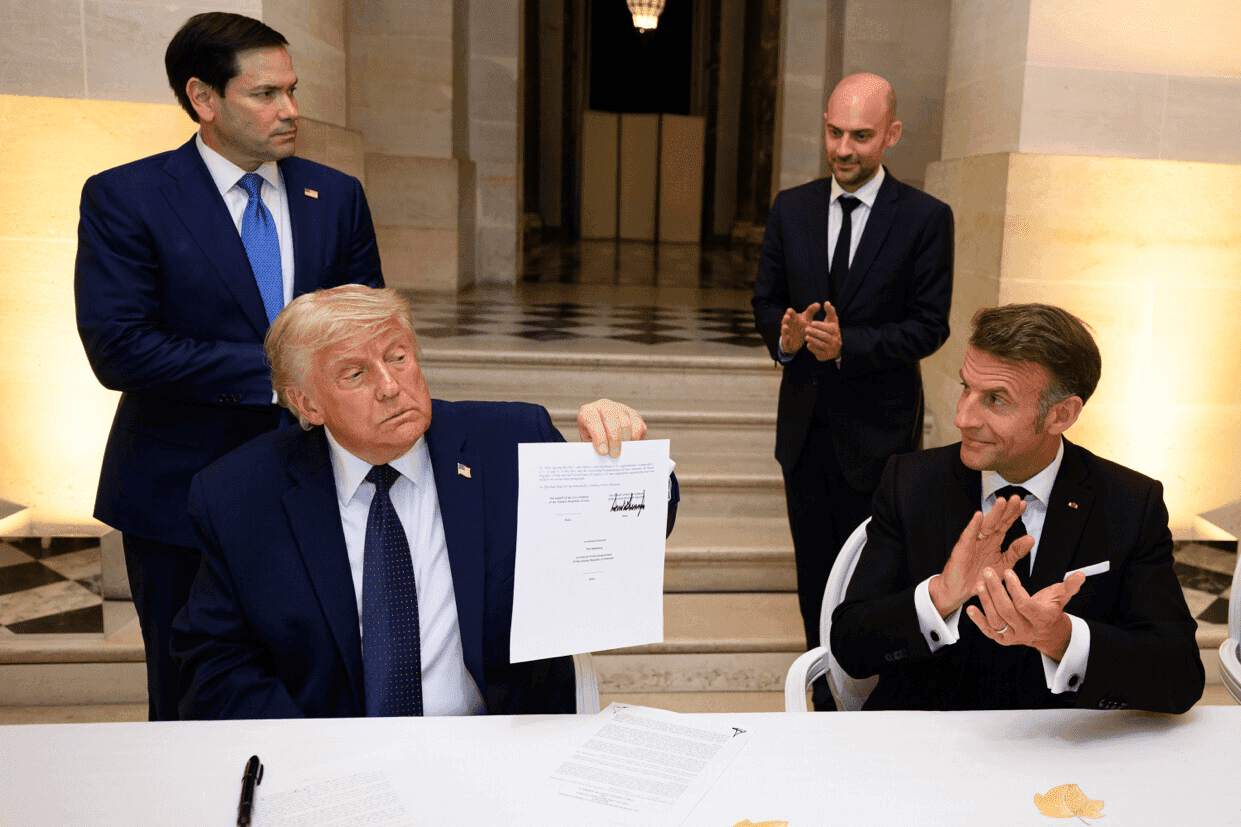
The Islamabad Memorandum of Understanding (MoU)—signed on June 17, 2026, by President Donald Trump and Iranian President Masoud Pezeshkian—was heavily marketed as a historic pathway to de-escalate regional tensions. But honestly, as you dig past the initial headlines and look at the actual 14-point framework, a much more concerning picture starts to form. For anyone banking on “Peace through Strength,” this deal feels less like a diplomatic masterstroke and a lot more like a high-stakes gamble with global security.
1. The Economic Arsenal: Turning Relief Into Reinforcement
The biggest flashpoint in the agreement is Clause 6, which sets up a massive $300 billion reconstruction and economic development initiative for Iran, crafted alongside regional partners.
Let’s be real for a second—injecting capital of this scale straight into a heavy state-controlled economy doesn’t magically translate to humanitarian relief. What it actually does is hand the regime an immediate wall of liquidity. Combine that with the 60-day sanctions waivers on Iranian crude oil, and you’ve completely bypassed the maximum pressure campaign that was supposed to keep Tehran’s regional ambitions in check. Defense watchers aren’t sounding the alarm for nothing; that kind of money can easily fund an accelerated mass-production of ballistic missiles or deeper proxy networks.
2. Gulf Panic and the Rubio Mission
Unsurprisingly, Gulf nations are losing sleep over this. They’ve viewed Iran as their primary security threat for decades, so getting blindsided by Washington’s sudden pivot has triggered serious anxiety about where loyalties lie.
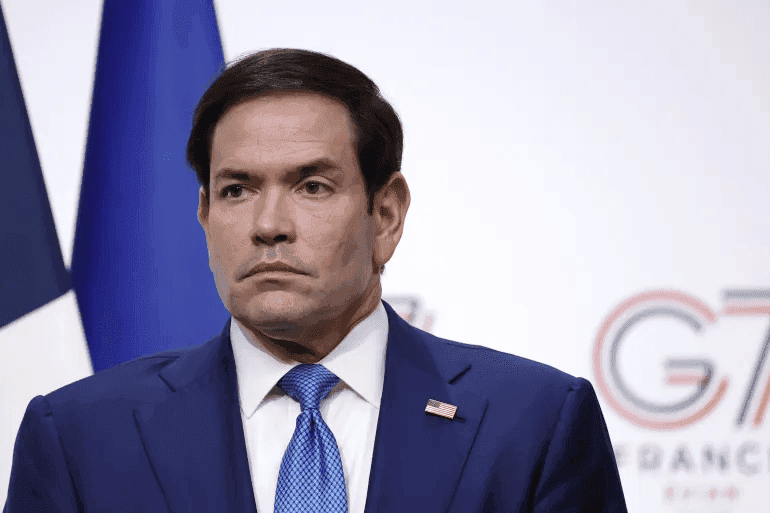
You can tell how badly things fractured behind the scenes because Secretary of State Marco Rubio had to launch an emergency tour heading straight to the UAE, Kuwait, and Bahrain. His entire mission was damage control—trying to convince nervous regional partners that the U.S. isn’t just pulling the rug out from under Middle Eastern security for a quick political win. Whether those allies are actually buying it is another story entirely.
3. The Credibility Crisis: White House Messaging vs. State Department Text
Honestly, when I first looked at the messaging surrounding this deal, I assumed there was a simple mix-up over figures—like a classic confusion between millions and billions. But turns out, it wasn’t a typo at all.
- The Text: The official signed text of the MoU explicitly lays out a multi-billion-dollar framework for Iran’s economic restoration.
- The Rhetoric: President Trump took straight to Truth Social to reject any suggestion of a direct U.S. payment: “There is no 300 Billion Dollar payment to Iran by the U.S. That’s Fake News!”
- The Distinction: Vice President JD Vance echoed this, insisting that “not a cent of American money goes to Iran,” framing the fund instead as a privately financed vehicle backed largely by Gulf states rather than U.S. taxpayers.
That distinction matters for domestic politics, but it hasn’t stopped widespread confusion. Critics and opposition lawmakers have pointed to the headline $300 billion figure regardless, creating a major governance gap between official diplomatic commitments and executive social media messaging.
4. Strategic Outlook: A Historical Mistake?
Here’s the core issue: by front-loading all the heavy economic concessions—unfreezing assets, lifting shipping restrictions in the Strait of Hormuz, and waiving oil sanctions—before locking down permanent, verifiable nuclear or military constraints, Washington has essentially thrown away its main leverage.
If this 60-day negotiation window slams shut without an airtight, verifiable agreement on enrichment limits and missile stockpiles, the Islamabad MoU isn’t going to be remembered as a blueprint for peace. It’s going to be looked back on as the exact moment the balance of power in the Middle East took a dangerous, irreversible turn.