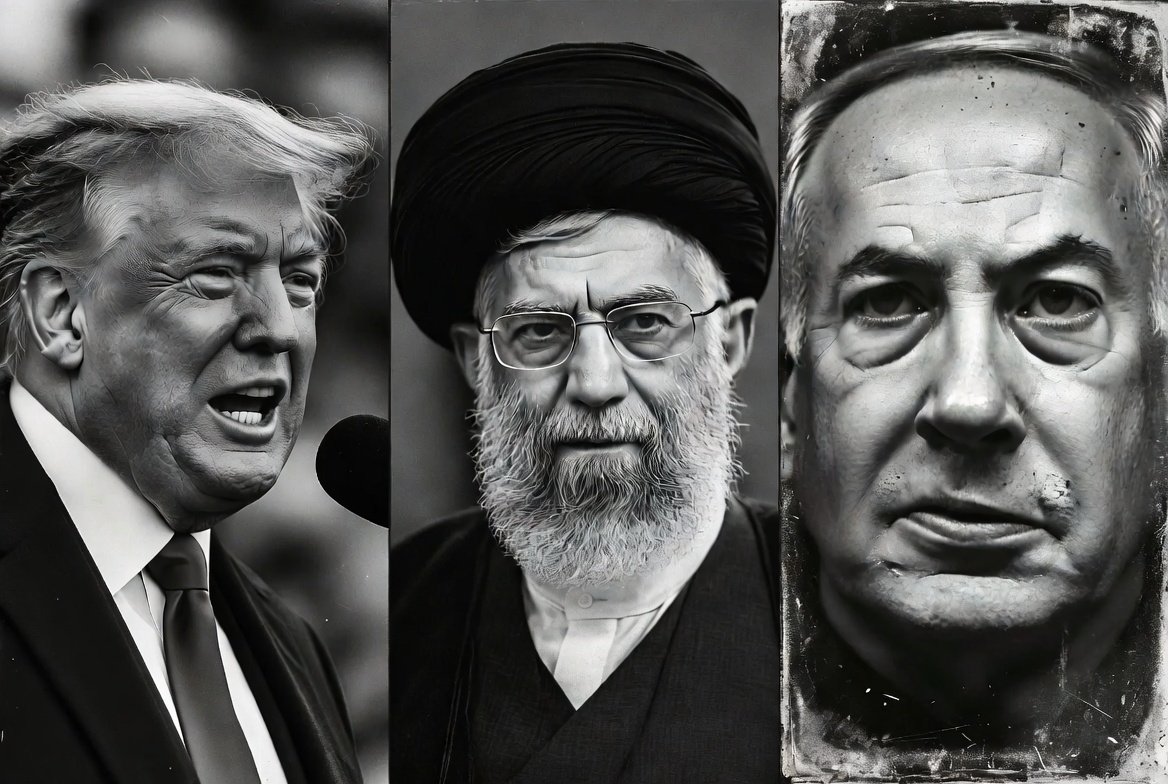
The geopolitical landscape of 2026 faces its gravest threat. The 90-day military conflict involving the United States, Israel, and Iran has expanded drastically. It started with localized airstrikes but became an economic and humanitarian disaster. This ongoing US-Iran War has pushed frontlines deep into Lebanon. It also triggered massive global fuel inflation and caused unprecedented political infighting in Washington and Tel Aviv.
The Spark: How the US-Iran War Began
The US-Iran War erupted unexpectedly on February 28, 2026. At that time, sensitive backdoor nuclear negotiations were happening between Washington and Tehran. Suddenly, a massive, unannounced joint US-Israeli air campaign struck Iran. The operation targeted core command infrastructure and underground nuclear development facilities.
The airstrikes killed Iran’s Supreme Leader, Ali Khamenei. Following his death, his son took power. His name is Ayatollah Mojtaba Khamenei. Under his command, Iran launched a massive counter-offensive. Tehran mobilized its regional proxies, known as the Axis of Resistance. This network includes Hezbollah in Lebanon and the Houthis in Yemen. Iran also deployed hundreds of advanced Shahed-136 drone swarms. These drones and ballistic missiles hit Israeli and American military installations across the region.
Humanitarian Collapse: School Closures and Civilian Casualties
The human cost of the US-Iran War continues to grow daily. The war has directly disrupted civilian infrastructure. As a result, it created a severe regional humanitarian emergency.
- Impact on Education and Children: Northern Israel faces relentless rocket barrages and suicide drone swarms. These attacks have forced thousands of children out of schools. Educational facilities have remained closed for nearly three months. Concurrently, stray drone strikes and retaliatory carpet-bombing campaigns hit border towns. Densely populated residential areas in Lebanon suffered too. These operations caused tragic casualties, including the deaths of several young schoolgirls. The United Nations High Commissioner for Human Rights reacted strongly. He labeled the situation “humanity’s darkest hour of the year.”
- Displacement Numbers: Official counts show huge losses. Over 3,300 civilians and combatants have died since the start of the US-Iran War. In Lebanon alone, intense military operations have displaced 1.2 million people. These families now live without stable access to clean water, food, or emergency medical care.
Military Attrition: The Billion-Dollar Hardware Slop
The US-Iran War showcases an asymmetric drain on advanced military hardware. Both sides are burning through equipment at an unsustainable pace. This conflict costs billions of dollars.
Israel’s Air Defense Strain
Iran uses a specific strategy. It launches massive, low-cost drone swarms. This strategy deliberately targets Israel’s air defense grid. The Iron Dome and Arrow-3 networks successfully intercept a high percentage of threats. However, they are facing critical ammunition depletion. A single Tamir interceptor missile costs hundreds of thousands of dollars. In contrast, the drones they intercept cost a fraction of that amount. This economic asymmetry is severely straining Israel’s defense reserves.
Naval Blockades and Base Destruction
Iran implemented a severe naval blockade in the Persian Gulf. They laid sub-surface mines and deployed anti-ship cruise missiles. These operations targeted the Strait of Hormuz. This action disrupted global trade instantly. It damaged several commercial oil tankers and Western logistical supply ships. In response, US B-2 Spirit stealth bombers executed targeted strikes. They neutralized Iran’s underground launch silos and radar arrays.
The Leaked Trump-Netanyahu Phone Call
Public statements from the White House try to show a united front during this US-Iran War. However, intelligence leaks reveal severe internal friction. These leaks appeared in Axios and The Times of Israel.
President Donald Trump has been trying to finalize a temporary ceasefire. He also wanted a maritime safety agreement with Iran’s new leader, Mojtaba Khamenei. He used Qatar and Pakistan as mediators. However, Iranian negotiators demanded a complete freeze on military action in Lebanon. They viewed this as a prerequisite for any deal.
Tensions peaked on June 1, 2026. Israeli Prime Minister Benjamin Netanyahu ordered a renewed bombing campaign. It targeted Hezbollah assets in Beirut’s southern Dahiyeh district. He did this by bypassing Washington’s prior notice. According to leaked US official briefings, Trump called Netanyahu directly and stated:
“What the fuck are you doing? You’re fucking crazy. You’d be in prison if it weren’t for me. I’m saving your ass, and you are destroying the biggest peace deal of my life.”
Following the intense call, Netanyahu scaled back immediate operations. He agreed not to hit Beirut unless directly provoked by Hezbollah. However, the diplomatic damage was already done. Consequently, Iran temporarily paused active diplomacy.
The Lebanon Front: Beaufort Castle and Scorched-Earth Policies
Diplomacy remains stalled. Because of this, Israel expanded its ground offensive in Lebanon. This marks the deepest military incursion into the country in 26 years.
In late May 2026, Israeli Ground Forces achieved a major objective. They successfully captured the historic medieval Beaufort Castle. It sits on a strategic clifftop near Nabatiyeh. Troops raised the Israeli flag over the high ground. Meanwhile, continuous drone surveillance and heavy strikes hit Beirut’s southern suburbs. This drew harsh criticism from Lebanese Prime Minister Nawaf Salam. Salam accused Israel of using a scorched-earth policy. This strategy destroys civilian infrastructure under the guise of neutralizing hidden Hezbollah targets. Hezbollah’s leader, Naim Qassem, rejected recent conditional US truce outlines. He called them a “roadmap for capitulation.”
The New Cold War: China and Russia Backing Iran
The ongoing US-Iran War has evolved into a global proxy standoff. It involves major world powers. This development complicates US diplomatic leverage significantly.
- Russia’s Electronic Warfare: Moscow has secretly supplied Iran with advanced electronic warfare assets. This includes the Murmansk-BN jamming complex. These tools have disrupted satellite-guided munitions. They also jammed GPS navigation used by US and Israeli forces in the region.
- China’s Economic Lifeline: Tehran faces heavy Western sanctions. Despite this, Beijing has continued buying discounted Iranian crude oil throughout the crisis. This steady cash flow has prevented Iran’s domestic economy from collapsing under wartime pressure.
Global Economic Shockwaves of the US-Iran War
- Oil Market Surges: The closure of the Strait of Hormuz blocked critical supply routes. It cut off nearly 20% of the world’s petroleum transit. Consequently, Brent Crude Oil prices surged past $140 per barrel. This jump drove fuel costs in Europe and Asia to historic highs.
- Cyber Warfare: Advanced Iranian state-backed hacking cells launched disruptive attacks. One prominent group is the “Cyber Avengers.” They deployed malware campaigns against Israel’s municipal power grids and US infrastructure facilities. These actions caused temporary blackouts in select metropolitan areas.
Washington’s Reaction: Congress Reins in Trump’s War Powers
Inside the United States, political opposition to the prolonged US-Iran War has intensified. Late-night television and internet media are actively mocking the administration. They target the repetitive claims that a peace deal is “imminent” while active bombing continues.
More importantly, formal legislative action has altered the administration’s military capabilities:
- The House Vote: On June 3, 2026, the US House of Representatives took action. They voted 215 to 208 to pass a War Powers Resolution. Representative Gregory Meeks introduced this measure.
- Bi-Partisan Defection: Four Republicans broke from party lines in a notable move. Representatives Thomas Massie, Tom Barrett, Warren Davidson, and Brian Fitzpatrick voted with Democrats to pass the measure.
- The Legal Limitation: This concurrent resolution enforces the 1973 War Powers Act. It declares that hostilities of the US-Iran War have passed the 90-day mark. The administration lacks explicit congressional approval. Therefore, the President cannot order new unilateral strikes. He cannot expand military deployments without a formal declaration from Congress.
🔑 Key Terms Explained
Asymmetric Warfare: Unconventional warfare where opposing sides have unequal military power. It features contrasting technological strategies, like using cheap drones to deplete expensive defense missiles.
Strait of Hormuz: A vital chokepoint between the Persian Gulf and the Gulf of Oman. It serves as the primary transit route for one-fifth of global oil consumption.
War Powers Resolution of 1973: A US federal law designed to check the president’s power. It stops presidents from committing the US to an armed conflict without congressional consent.
Axis of Resistance: An informal military alliance led by Tehran. It encompasses the Syrian government, Hezbollah, the Houthis, and various Shia militias in Iraq. They are unified by anti-Western policies.
🌐 Verified Sources & References
- The Guardian / Axios: Documentation of leaked transcripts from the June 1 phone call between President Trump and Prime Minister Netanyahu regarding the Beirut evacuation orders.
- United Nations Security Council Briefing (sc16376): Official humanitarian reports detailing regional casualties, school closures, and displacement metrics in Lebanon.
- Responsible Statecraft / Library of Congress: Legislative records of the House vote on the concurrent War Powers Resolution passed on June 3, 2026.
- Bloomberg Energy Index: Historical tracking data showing global crude oil prices peaking at $140/barrel following regional maritime corridor closures.
You can learn more about how the political dynamics in Washington are shifting because of this conflict by watching this broadcast on how the US House passes a war powers resolution against the Iran conflict. This video explains the friction between the White House and lawmakers as the war passes the critical 90-day threshold.
Leave a Reply