Social media loves a good mystery, especially when it involves ancient secrets and outer space. Recently, a post by X (formerly Twitter) user @UAPWixy went viral, sparking a massive debate about ancient astronauts and indigenous folklore.
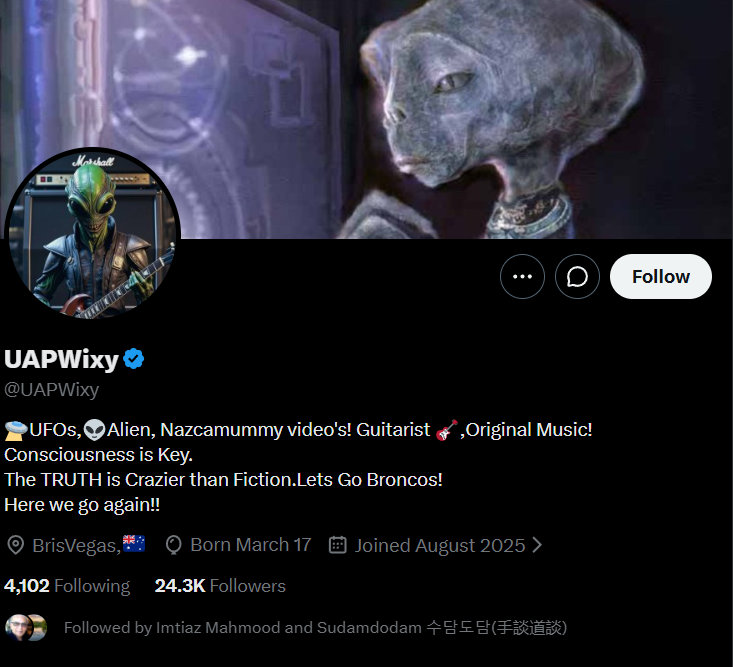
The post shared an image of an ancient rock painting with a mind-boggling caption:
“These Brazilian tribe members had never heard of Aliens before, and they didn’t even understand the concept of them. But when they were shown a picture of a gray alien, they recognized it immediately and said, ‘That’s Mankumawabu. They live underground.’”
At first glance, it sounds like the ultimate “gotcha” moment for UFO enthusiasts. However, a brilliant reality check by user @iherrsonniger (iRitvik) pointed out a massive logical flaw in the story, perfectly breaking down the psychology behind why we see “aliens” in ancient art.
Here is a breakdown of the viral debate and the fascinating science of why the internet got it wrong.
The Deep Logic Flaw: Anthropomorphism vs. Alien Passports
As iRitvik pointed out in his reply, the claim inherently contradicts itself:
“If they had ‘never heard of aliens’ and ‘didn’t understand the concept,’ but immediately recognized a picture… they just recognized a drawing of a humanoid.”
When an isolated community looks at a classic “Grey Alien” drawing (a figure with a head, two eyes, a torso, arms, and legs), they aren’t thinking about spaceships or the Andromeda galaxy. They are looking at a humanoid shape—the universal default blueprint for spirits, gods, and monsters across every single culture in human history.
iRitvik beautifully summarized this phenomenon:
“It’s anthropomorphism, not an extraterrestrial passport photo.”
What is Anthropomorphism?
Anthropomorphism is the innate human tendency to attribute human traits, emotions, or forms to non-human entities—be it animals, nature, or the supernatural.
- The Universal Default: Since the dawn of time, humans have visualized spirits and deities in our own likeness (or a stylized version of it).
- Symbolism over Reality: Big eyes or elongated heads in ancient rock art rarely meant “space helmet.” Instead, across various indigenous cultures, these features traditionally symbolized heightened spiritual awareness, shamanic transformation, or revered animal spirits (like owls or insects).
Who or What is “Mankumawabu”?
When the tribe reportedly named the entity “Mankumawabu” and said “they live underground,” they weren’t describing extraterrestrials; they were referencing their own rich, earthly folklore.
Nearly every indigenous culture has stories of subterranean spirits, guardians of the earth, or ancestral entities. By showing them a picture of a Grey Alien, researchers essentially showed them a vague humanoid shape, and the tribe mapped their own existing cultural mythology onto it.
Conclusion: The Human Mind is the Real Wonder
This viral X debate is a masterclass in how modern sci-fi biases color our interpretation of the past. The rock painting isn’t evidence of ancient astronauts visiting Earth. Instead, it is a testament to the shared human experience.
Whether living in a hyper-modern metropolis or the deep jungles of the Amazon, the human imagination defaults to the same shapes to explain the unseen. It’s not an alien passport photo—it’s a beautiful piece of human history.
Leave a Reply