Scientists just found massive river deposits and strange ‘spiderweb’ structures beneath Martian soil. But why is NASA acting so mysterious about what’s really down there?
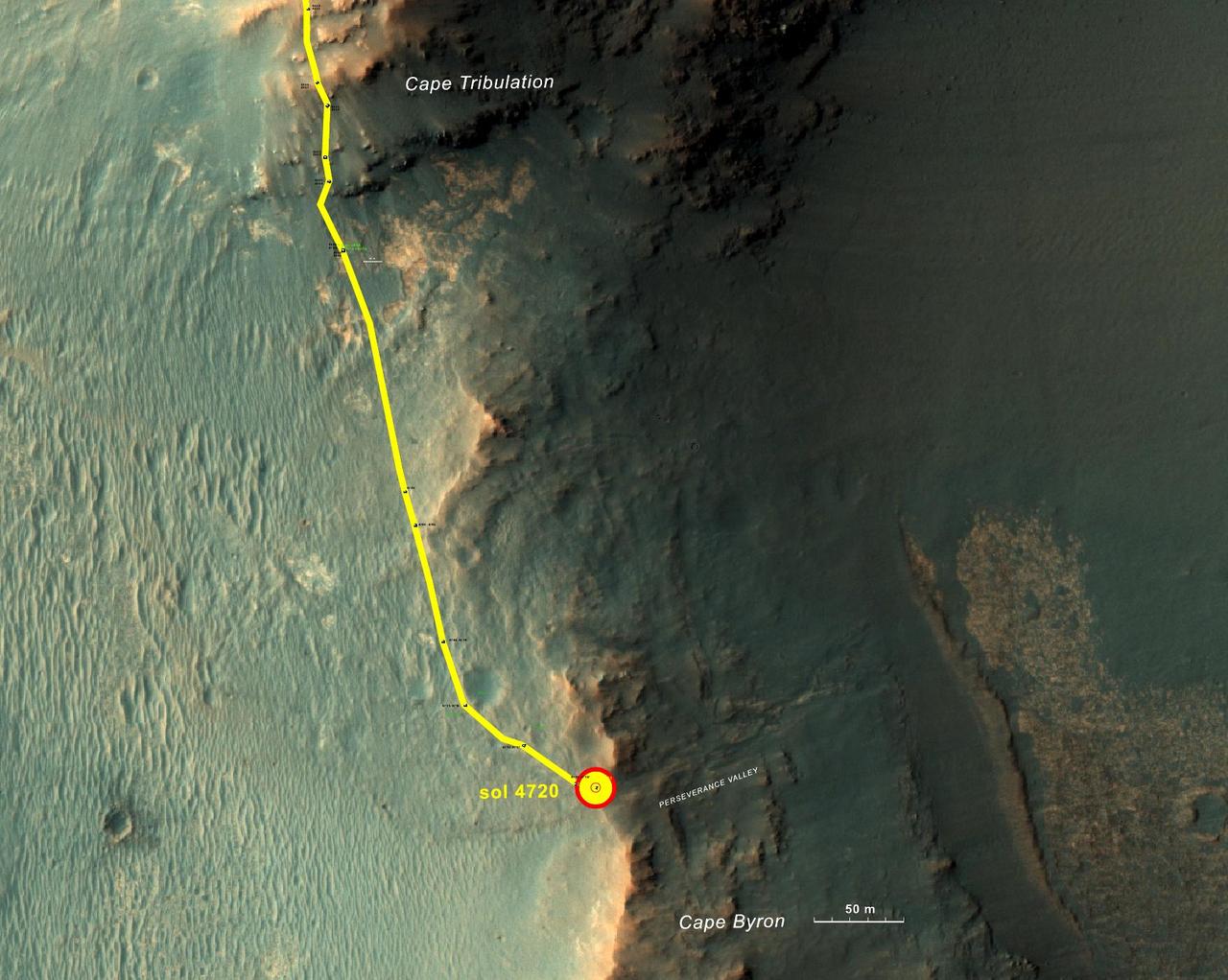
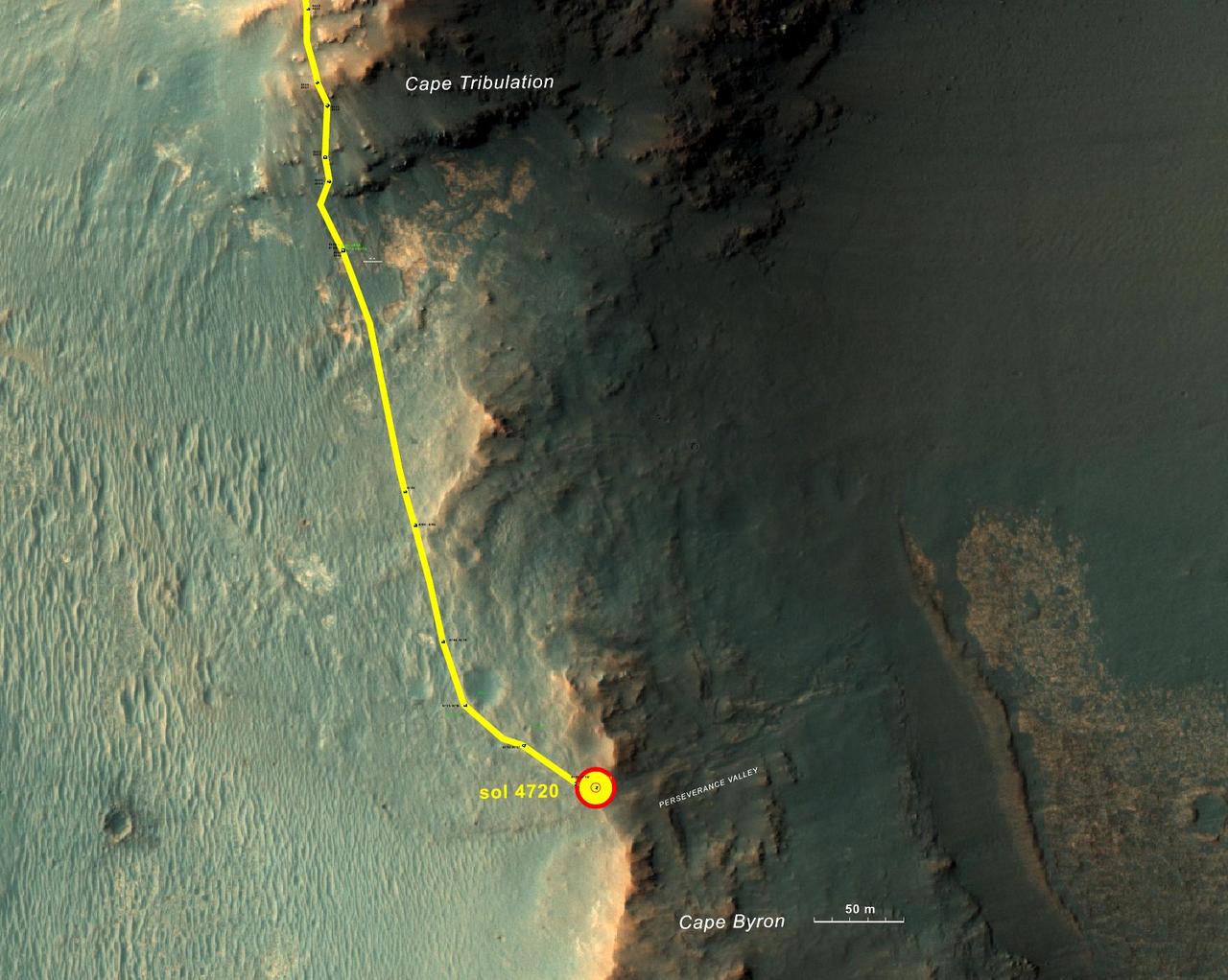
For years, the world has looked at Mars and seen a frozen, desolate graveyard. But as NASA’s Curiosity and Perseverance rovers continue to roam thousands of miles apart across the Martian surface, a startling new picture is emerging from the ground beneath their wheels. The latest data suggests that Mars wasn’t just a “wet” planet in its infancy—it was a dynamic, geologically active world that may have harbored the very ingredients for life.
The latest findings, coming to light this spring, indicate that the true story of Mars is written not on its surface, but in the layers buried deep within its crust.
Advanced ground-penetrating radar scans from the Perseverance mission in the Jezero Crater have mapped out rhythmic, sediment-rich layers that confirm the existence of a massive, high-energy river system that once carved its way through the planet. Unlike minor surface streams, these geological signatures point to sustained, powerful water flows that persisted for vast stretches of time, creating the ideal stability required for life to potentially take root.
Meanwhile, on the other side of the planet, the Curiosity rover has been exploring a landscape of bizarre, spiderweb-like ridges etched into the bedrock. These structures are now confirmed to be fossilized plumbing systems—veins of minerals left behind by ancient groundwater that once circulated through the Martian interior. This reveals a “living” geology, where water moved through deep crustal fractures long after the surface began to dry up.
But perhaps most provocatively, scientists are now turning their attention to what these discoveries mean for the future of human exploration. With recent research confirming the detection of complex organic molecules—the chemical building blocks of biology—tucked safely away in the shallow subsurface, the focus has shifted from “observation” to “excavation.”
There is even growing talk of “mycoremediation,” a revolutionary concept where specialized fungi could be deployed to transform the toxic, perchlorate-laden Martian soil into fertile ground for future human colonies.
As we pull back these layers of history, the burning question remains: If Mars had the water, the chemistry, and the time, what exactly are we going to find when we finally start digging? Is the Red Planet merely a cold, dead rock, or are we just scratching the surface of a history that has been hiding in plain sight for billions of years?
One thing is certain: The era of simply looking at the surface of Mars is over. We are now entering the era of digging deep to find out if we are, or ever were, alone.
Science Made Simple: Key Terms Explained
- Ground-Penetrating Radar (GPR): A technology that sends radio waves into the ground to create a “map” of what lies beneath the surface, allowing scientists to see underground rocks and water layers without digging.
- Regolith: Simply put, this is Martian “soil.” Unlike Earth’s dirt, it lacks nutrients and contains chemicals that make it difficult for plants to grow.
- Mycoremediation: A process where researchers use specialized fungi (like mushrooms) to “clean” the soil by breaking down harmful chemicals, making the ground safe for farming.
- Organic Compounds: These are the “building blocks” of life. While finding them doesn’t prove there is life, they are the essential carbon-based ingredients required for life to exist.
- Perchlorates: Harmful chemicals found in Martian soil that are toxic to humans and plants.
- Subsurface: The area directly beneath the surface. Scientists believe this is the most important area to study because it is protected from the harsh radiation that hits the surface of Mars.
To learn more about the ongoing missions, visit the official sites below:
- NASA Mars Exploration: Latest updates from the Red Planet.
- Perseverance Mission Radar Data: Insights into the subsurface geology of Jezero Crater.
- Curiosity Rover Discoveries: Exploring the history of organic compounds on Mars.
Leave a Reply